EveryWindow Blog
Impact Windows vs. Hurricane Windows vs. Coastal Windows: Is There a Difference and What Do I Need?
Homeowners today who live along the coast in hurricane-prone areas are searching for the best protection from coastal storms during hurricane season.
For states like Florida, Georgia, North Carolina, South Carolina, Texas, and others along the coast, extreme weather demands more from vinyl windows than anywhere else in the country.
In this article, we will break down the differences between (and benefits of) impact, hurricane, and coastal windows. Our goal is to turn you into an informed consumer who can make the best-educated decision for your coastal home.
Is there a difference between impact windows, hurricane windows, and coastal windows?
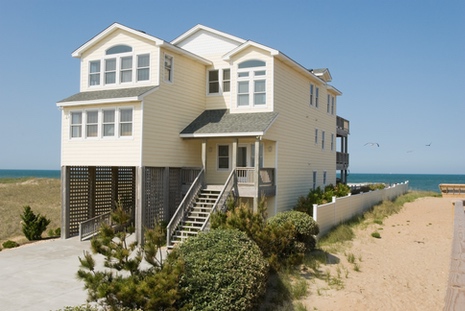
The terms "impact window," "hurricane window," and "coastal window" are often interchangeable, depending on what website you're reading or part of the country you live in. All three most likely refer to the same type of product: an impact-rated window. More details on what makes a window impact-rated below.
What is considered an impact window?
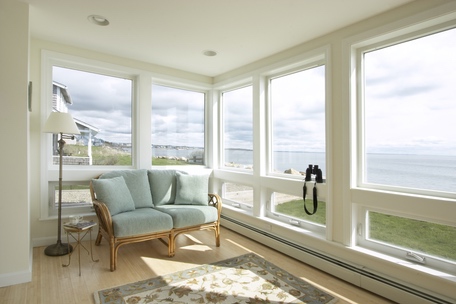
Impact vinyl windows provide the most comprehensive protection for your coastal house against hurricane-force winds.
They are built to withstand the impact of large airborne objects as a result of hurricane-force winds, such as tree limbs, rocks, roof tiles, and other debris, which can fly through the air during a storm.
Design & Construction
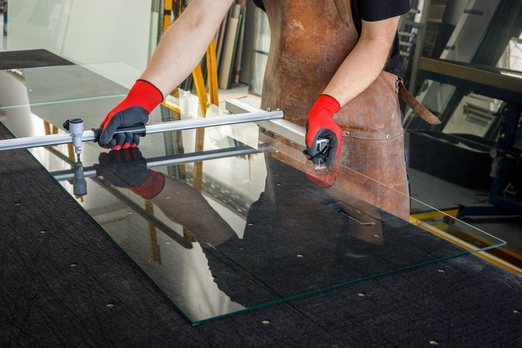
Impact-resistant windows are made of metal reinforcement in the sash and frame, plus double-strength laminated glass in the insulated glass unit.
In impact-resistant vinyl windows, the laminated glass layer is formed by two pieces of double-strength glass with a polyvinyl butyral (PVB) interlayer. A heat-and-pressure process is used to weld together this glass sandwich, which becomes a single laminated piece of glass.
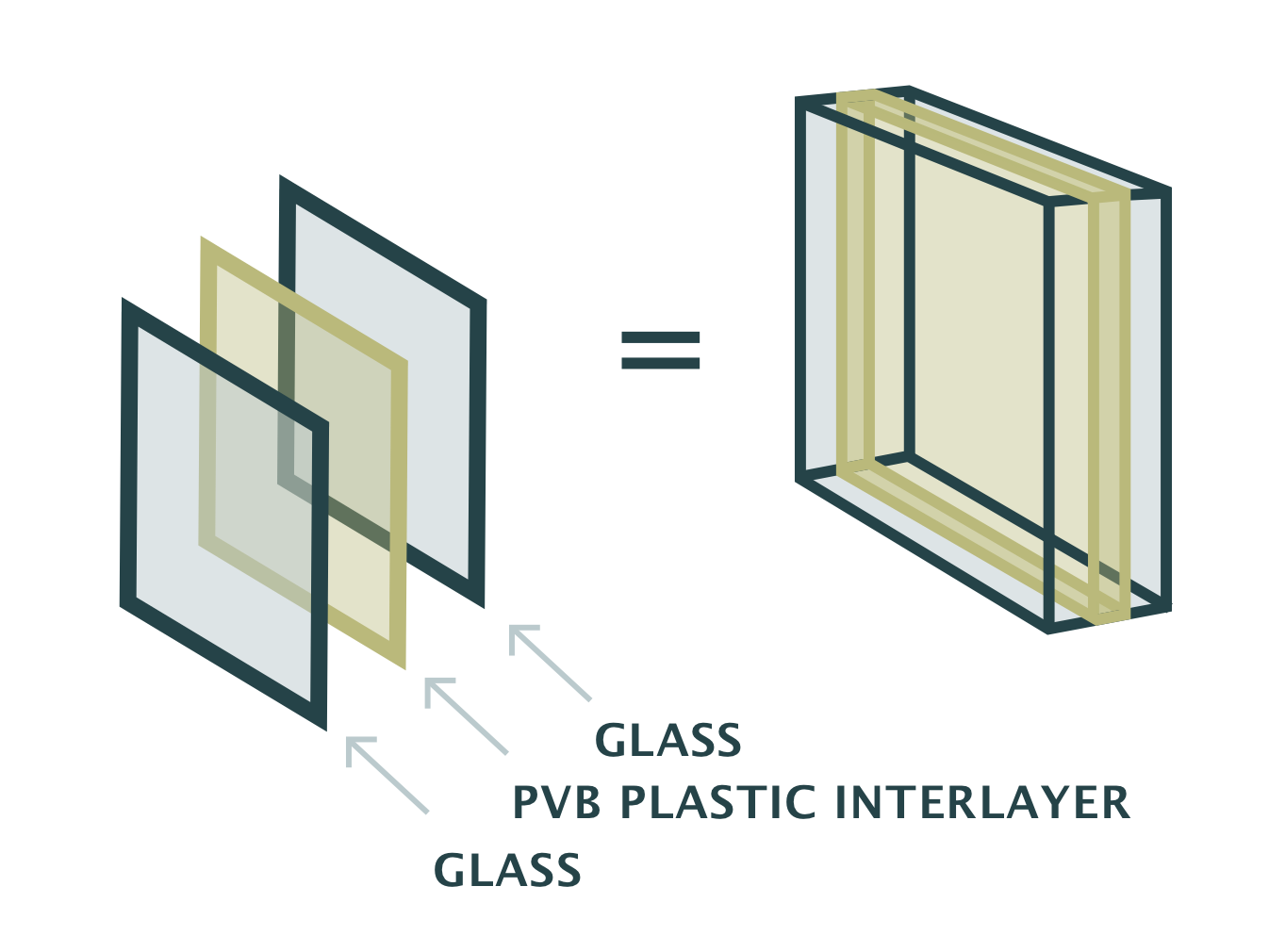
The glass unit is also given an additional layer of Low-E glass (now with three pieces of glass + PVB interlayer). This creates a debris-resistant system that preserves energy efficiency and prevents debris from infiltrating your home.
Key Features
- Reinforced sashes and frames with laminated, double-strength glass
- High-performance low-E glass barrier that's energy-efficient and condensation-free
- Noise reduction from outdoor sound
- Designed to resist the impact of flying debris resulting from hurricane-force winds, heavy rain, and forced-entry attempts
- Plenty of aesthetically appealing styles to choose from
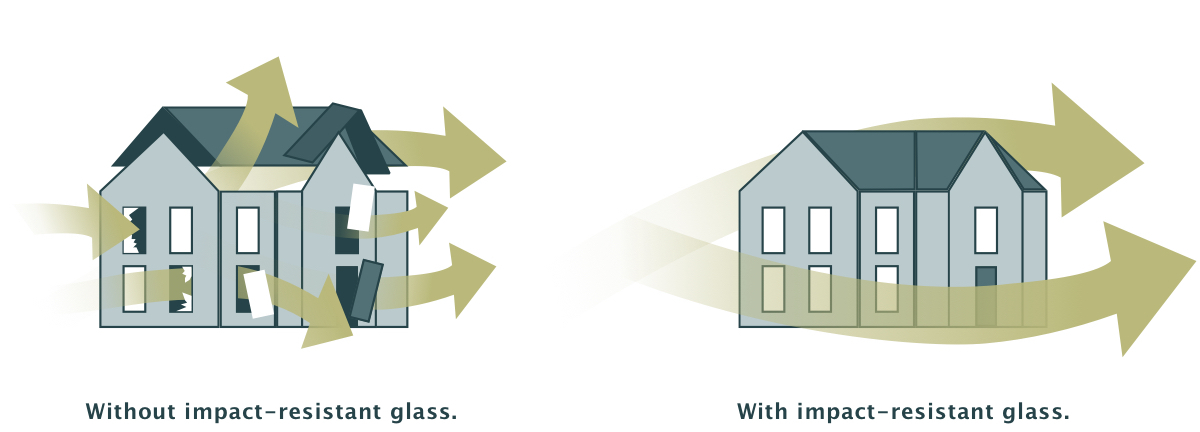
When subjected to direct force, the glass in impact-resistant windows may shatter but will not penetrate, ensuring that your home is protected when it is needed the most.
What are coastal windows?
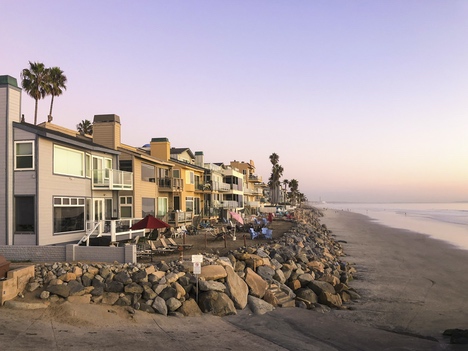
"Coastal windows" is often used as a catch-all term referring to windows meant for the coastal areas. It can typically be viewed synonymously to hurricane impact windows in most cases.
However, it's important to make the distinction of the window being impact-rated. So, a term like "coastal impact-rated windows" may be a more appropriate classification.
What are hurricane-proof windows? What is the difference between high-impact windows and hurricane windows?
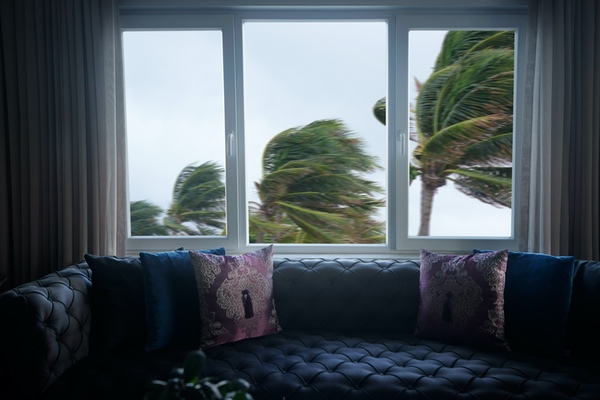
Hurricane windows or hurricane-rated (some use the term "hurricane-proof") are terms that are often interchangeable with impact-rated windows. Ultimately, they mean the same thing: an impact-rated window that protects your home from flying debris in hurricane zones.
Do you need impact windows? Are there alternative options?
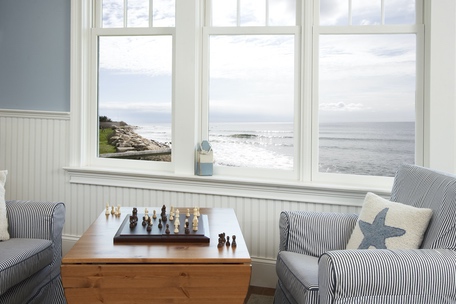
The answer really comes down to what is required by your local building department or governing body at the county or state level.
Depending on what county you live in, you may very well need impact-rated windows.
That being said, there are also alternatives if your local county codes don't require impact-rated glass.
Understand Design Pressure (DP) of Window Glass
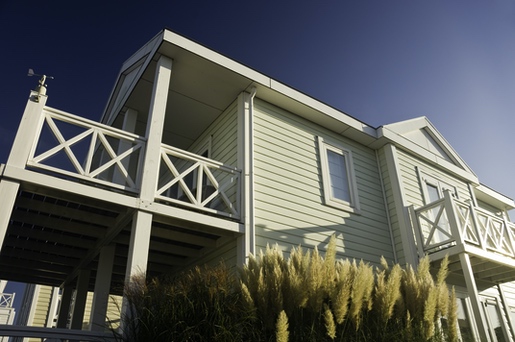
A “design pressure” or “DP” rating is a numerical value given to a window that represents its ability to withstand a given amount of wind load. In coastal zones, local codes may require a certain design pressure for a window.
In Florida, for example, impact-rated windows would typically meet a DP rating of 50 or greater, which is well over the 120 MPH wind rating. However, in a High Velocity Hurricane Zone (HVHZ) in Florida, the DP rating would need to be between 50 and 75 for 180 MPH winds.
Confirm the Required DP For Your Area Before Buying
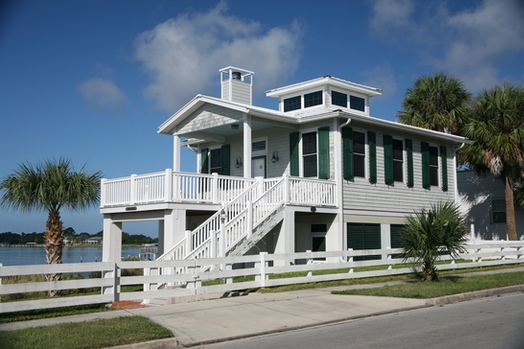
Depending on your local requirements, you may not necessarily need impact-rated windows. You may be able to purchase windows that meet the specific design pressure as dictated by the county or state building department.
Florida residents may need to meet Florida Building Code’s strict requirements, including homes in the HVHZ. Similarly, some Texas residents may need to abide by requirements set by the Texas Department of Insurance.
Skip Adding Additional Coverings
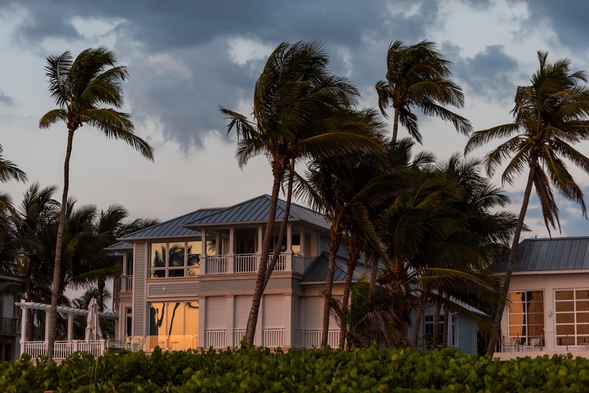
With the correct approval for your specific zone, you likely won't be required to provide additional window coverings. This eliminates the hassle of installing coverings or scrambling for plywood during the stress of pre-hurricane protection and preparations.
Avoid Insurance Claim Issues

Upon submitting a claim for any damaged window, insurance companies will review your permit and verify the installation was done correctly according to manufacturer specifications. If it wasn't and doesn’t meet the building code requirements for your area, it may nullify any claims and void warranties on the windows.
Mixing Non-Impact and Impact-Rated Windows
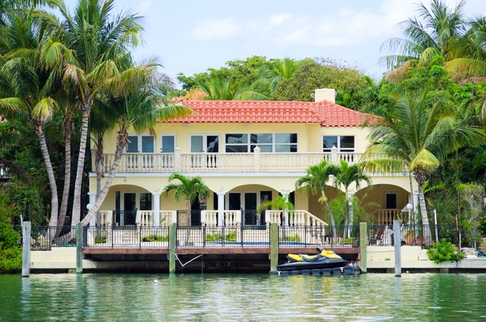
In some instances, it may only be mandatory for you to have impact-rated windows on the side of your home that faces the ocean, while windows on the sides and front of your house may not need to be impact-rated.
What are the benefits of impact windows?
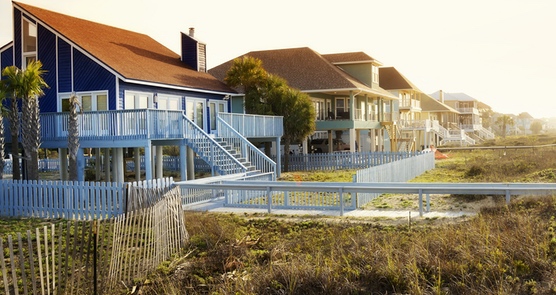
There are many benefits to this window type for coastal homes.
Hurricane Protection
Impact-resistant glass keeps wind-borne debris from flying inside. Even if the glass is shattered, an impact window will stay in place thanks to the frame.
Noise Reduction
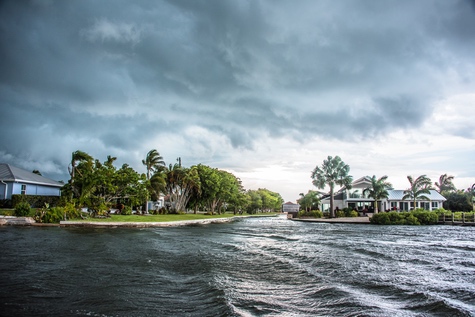
While the windows are not soundproof, impact-resistant glass reduces noise transmission, including noises from tropical storms, barking dogs, lawnmowers, busy traffic, etc.
Safety From Intruders
It's very common for an intruder to attempt entry into a home through a window. The reinforced, heavy-duty construction of an impact window will deter intruders, making it more difficult for them to break through without using special equipment to gain access.
Solar Protection
Another advantage of multi-layer impact glass is solar protection, which protects your family and belongings from the harmful UV rays and effects of solar radiation. This includes fading window coverings, damaging furniture and flooring, and harm to the skin.
Energy Efficiency
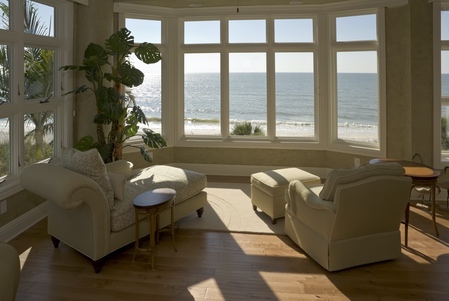
The exceptional energy-efficient performance ratings and tight seals of hurricane-proof windows help keep cool air inside on warm days and warm air inside during cool days. This can also extend the life of your HVAC system.
Reduce Insurance Costs
When hurricane windows are put in throughout your house, most companies provide significant discounts. Check with your insurance carrier about potential savings and alleviate your insurance costs.
Increase Your Home’s Value
If you live in a hurricane zone, they will increase the value of your home to potential buyers by providing greater safety, security, and maximum protection.
Convenience & Curb Appeal
Storm shutters, plywood, and other coverings can all provide some protection, but they require extra installation and offer little security or protection if you're out of town.
Avoiding extra additions to your window treatments will give your home a cleaner, more pleasing aesthetic. Moreover, when not in use, many of these supplementary alternatives are unattractive and must be disposed of and stored.
Do impact windows really work?

Much stronger than windows with standard glass, impact-resistant glass is similar in construction to the glass used in the windshield of a car. The laminated pane of glass in hurricane windows is reinforced to be incredibly strong, yet flexible.
The polymer layer of a hurricane window is meant to remain intact, even if the window glass is shattered by wind-borne debris, protecting your home's interior from the wind and rain of an intense storm. It also prevents the glass from shattering into huge, sharp shards that might be harmful to anyone still in the house.
Impact-resistant windows are tested vigorously through thousands of cycles of positive and negative pressure tests.
Where can I buy impact windows or alternatives?

Finding a window company that can offer windows suitable for coastal regions - specifically impact-rated and non-impact windows with a high enough to satisfy the DP requirements of your county - can feel like a daunting task.
Fortunately, we at Every Window™ are here to help you navigate these kinds of technical window details so you can make the most informed decision.

1. First, we encourage you to contact your local code official for building code requirements in your area.
2. Next, call us at (855) 406-1235 so we can help find the perfect windows for your coastal home based on state or county code requirements.
Our team of window experts is determined to help you find the best impact-rated (or non-impact) high DP windows to defend against all coastal weather and keep your family safe from tropical storms.

Is there a difference between impact windows, hurricane windows, and coastal windows?

The terms "impact window," "hurricane window," and "coastal window" are often interchangeable, depending on what website you're reading or part of the country you live in. All three most likely refer to the same type of product: an impact-rated window. More details on what makes a window impact-rated below.
What is considered an impact window?

Impact vinyl windows provide the most comprehensive protection for your coastal house against hurricane-force winds.
They are built to withstand the impact of large airborne objects as a result of hurricane-force winds, such as tree limbs, rocks, roof tiles, and other debris, which can fly through the air during a storm.
Design & Construction

Impact-resistant windows are made of metal reinforcement in the sash and frame, plus double-strength laminated glass in the insulated glass unit.
In impact-resistant vinyl windows, the laminated glass layer is formed by two pieces of double-strength glass with a polyvinyl butyral (PVB) interlayer. A heat-and-pressure process is used to weld together this glass sandwich, which becomes a single laminated piece of glass.

The glass unit is also given an additional layer of Low-E glass (now with three pieces of glass + PVB interlayer). This creates a debris-resistant system that preserves energy efficiency and prevents debris from infiltrating your home.
Key Features
- - Reinforced sashes and frames with laminated, double-strength glass
- - High-performance low-E glass barrier that's energy-efficient and condensation-free
- - Noise reduction from outdoor sound
- - Designed to resist the impact of flying debris resulting from hurricane-force winds, heavy rain, and forced-entry attempts
- - Plenty of aesthetically appealing styles to choose from

When subjected to direct force, the glass in impact-resistant windows may shatter but will not penetrate, ensuring that your home is protected when it is needed the most.
What are coastal windows?

"Coastal windows" is often used as a catch-all term referring to windows meant for the coastal areas. It can typically be viewed synonymously to hurricane impact windows in most cases.
However, it's important to make the distinction of the window being impact-rated. So, a term like "coastal impact-rated windows" may be a more appropriate classification.
What are hurricane-proof windows? What is the difference between high-impact windows and hurricane windows?

Hurricane windows or hurricane-rated (some use the term "hurricane-proof") are terms that are often interchangeable with impact-rated windows. Ultimately, they mean the same thing: an impact-rated window that protects your home from flying debris in hurricane zones.
Do you need impact windows? Are there alternative options?
The answer really comes down to what is required by your local building department or governing body at the county or state level.
Depending on what county you live in, you may very well need impact-rated windows.
That being said, there are also alternatives if your local county codes don't require impact-rated glass.
Understand Design Pressure (DP) of Window Glass
A “design pressure” or “DP” rating is a numerical value given to a window that represents its ability to withstand a given amount of wind load. In coastal zones, local codes may require a certain design pressure for a window.
In Florida, for example, impact-rated windows would typically meet a DP rating of 50 or greater, which is well over the 120 MPH wind rating. However, in a High Velocity Hurricane Zone (HVHZ) in Florida, the DP rating would need to be between 50 and 75 for 180 MPH winds.
Confirm the Required DP For Your Area Before Buying
Depending on your local requirements, you may not necessarily need impact-rated windows. You may be able to purchase windows that meet the specific design pressure as dictated by the county or state building department.
Florida residents may need to meet Florida Building Code’s strict requirements, including homes in the HVHZ. Similarly, some Texas residents may need to abide by requirements set by the Texas Department of Insurance.
Skip Adding Additional Coverings
Avoid Insurance Claim Issues

Upon submitting a claim for any damaged window, insurance companies will review your permit and verify the installation was done correctly according to manufacturer specifications. If it wasn't and doesn’t meet the building code requirements for your area, it may nullify any claims and void warranties on the windows.
Mixing Non-Impact and Impact-Rated Windows
In some instances, it may only be mandatory for you to have impact-rated windows on the side of your home that faces the ocean, while windows on the sides and front of your house may not need to be impact-rated.
What are the benefits of impact windows?
There are many benefits to this window type for coastal homes.
Hurricane Protection
Impact-resistant glass keeps wind-borne debris from flying inside. Even if the glass is shattered, an impact window will stay in place thanks to the frame.
Noise Reduction
While the windows are not soundproof, impact-resistant glass reduces noise transmission, including noises from tropical storms, barking dogs, lawnmowers, busy traffic, etc.
Safety From Intruders
It's very common for an intruder to attempt entry into a home through a window. The reinforced, heavy-duty construction of an impact window will deter intruders, making it more difficult for them to break through without using special equipment to gain access.
Solar Protection
Another advantage of multi-layer impact glass is solar protection, which protects your family and belongings from the harmful UV rays and effects of solar radiation. This includes fading window coverings, damaging furniture and flooring, and harm to the skin.
Energy Efficiency
The exceptional energy-efficient performance ratings and tight seals of hurricane-proof windows help keep cool air inside on warm days and warm air inside during cool days. This can also extend the life of your HVAC system.
Reduce Insurance Costs
When hurricane windows are put in throughout your house, most companies provide significant discounts. Check with your insurance carrier about potential savings and alleviate your insurance costs.
Increase Your Home’s Value
If you live in a hurricane zone, they will increase the value of your home to potential buyers by providing greater safety, security, and maximum protection.

Convenience & Curb Appeal
Storm shutters, plywood, and other coverings can all provide some protection, but they require extra installation and offer little security or protection if you're out of town.
Avoiding extra additions to your window treatments will give your home a cleaner, more pleasing aesthetic. Moreover, when not in use, many of these supplementary alternatives are unattractive and must be disposed of and stored.
Do impact windows really work?

Much stronger than windows with standard glass, impact-resistant glass is similar in construction to the glass used in the windshield of a car. The laminated pane of glass in hurricane windows is reinforced to be incredibly strong, yet flexible.
The polymer layer of a hurricane window is meant to remain intact, even if the window glass is shattered by wind-borne debris, protecting your home's interior from the wind and rain of an intense storm. It also prevents the glass from shattering into huge, sharp shards that might be harmful to anyone still in the house.
Impact-resistant windows are tested vigorously through thousands of cycles of positive and negative pressure tests.
Where can I buy impact windows or alternatives?

Finding a window company that can offer windows suitable for coastal regions - specifically impact-rated and non-impact windows with a high enough to satisfy the DP requirements of your county - can feel like a daunting task.
Fortunately, we at Every Window™ are here to help you navigate these kinds of technical window details so you can make the most informed decision.

1. First, we encourage you to contact your local code official for building code requirements in your area.
2. Next, call us at (888) 615-2587 so we can help find the perfect windows for your coastal home based on state or county code requirements.
Our team of window experts is determined to help you find the best impact-rated (or non-impact) high DP windows to defend against all coastal weather and keep your family safe from tropical storms.